
 By Robert Smith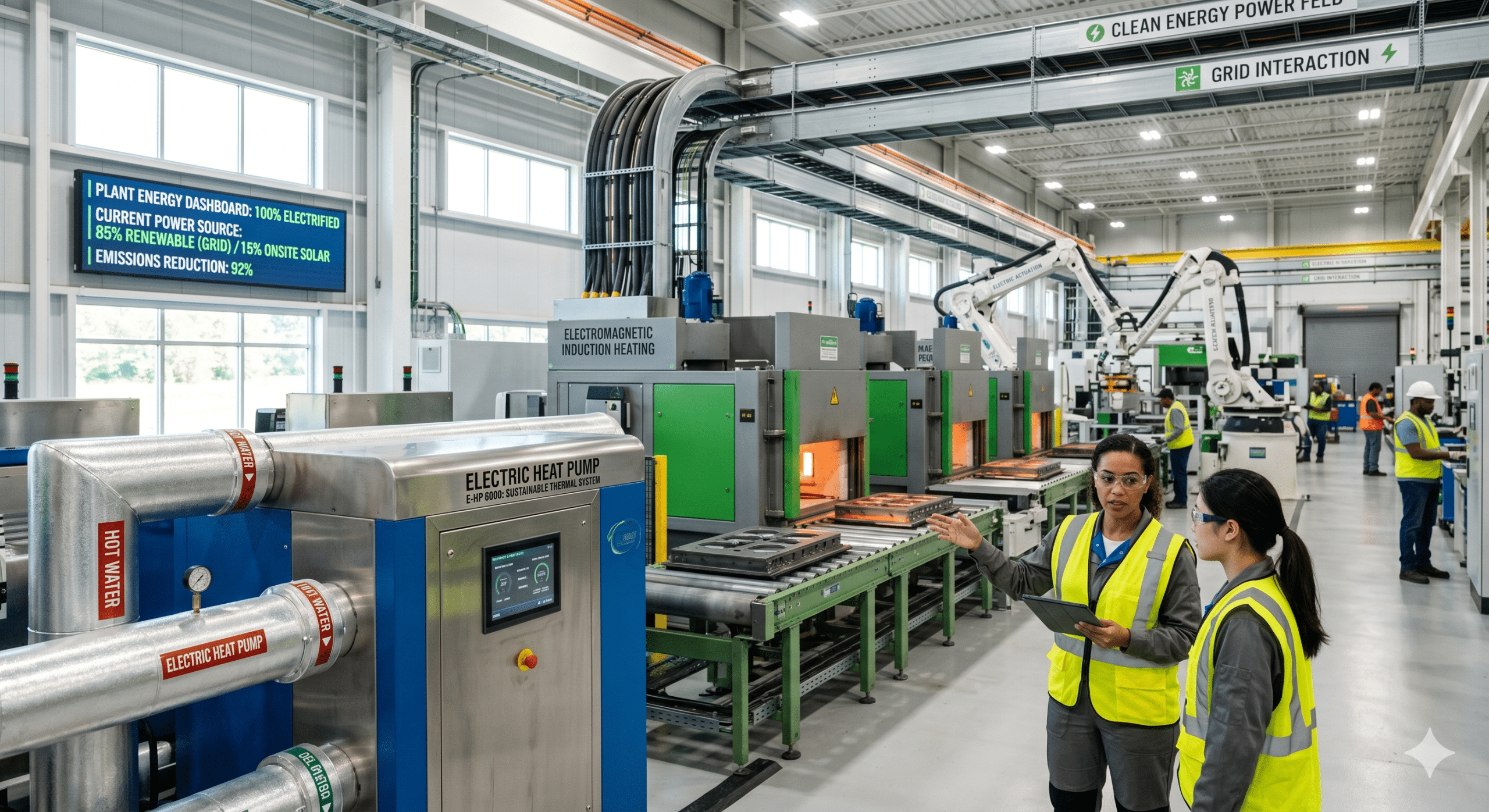
For decades, industries around the world depended heavily on coal, diesel, natural gas, and other fossil fuels to keep factories running. These energy sources powered manufacturing growth, built economies, and supported modern life. But today, industries are facing a different reality. Rising energy prices, climate concerns, unstable fuel markets, stricter environmental regulations, and increasing pressure from consumers are forcing companies to rethink how factories operate.
This is where the Electrification of Industry is changing the game.
Industrial electrification is no longer just an environmental trend. From an industrial engineering perspective, it has become a practical and strategic move toward long-term operational stability, efficiency, and sustainability. Factories are beginning to replace fossil-fuel-powered systems with electric technologies that are cleaner, smarter, and easier to optimize. The shift is not simply about reducing emissions. It is also about improving productivity, lowering maintenance costs, reducing waste, and building more resilient industrial systems.
Many manufacturing companies once viewed electrification as too expensive or unrealistic for large-scale operations. That mindset is quickly changing. Improvements in renewable energy, electric heating systems, smart automation, industrial heat pumps, and digital energy management are making electrification more achievable than ever before. Researchers and industry experts now consider electrification one of the strongest pathways for reducing industrial carbon emissions while improving operational performance.
From food processing plants to steel manufacturing, chemical production, logistics warehouses, and automotive factories, the industrial sector is moving toward a more electric future. The transition may not happen overnight, but the momentum is clearly growing.
Why the Industrial Sector Is Under Pressure to Change
Industries consume enormous amounts of energy every day. Manufacturing facilities require heat, cooling, transportation systems, motors, compressors, pumps, conveyors, and heavy machinery operating continuously for long hours. Traditionally, fossil fuels handled most of this workload because they were widely available and historically cheaper.
However, the problem is that industrial operations contribute significantly to global greenhouse gas emissions. In many countries, manufacturing remains one of the largest sources of carbon pollution. Governments are now implementing stricter sustainability goals, carbon reduction targets, and energy efficiency regulations that directly affect industrial facilities.
At the same time, energy costs continue to fluctuate unpredictably. Global fuel market disruptions have exposed how vulnerable industries are when they depend too heavily on oil and gas. Recent studies from the University of Oxford highlighted that industrial electrification is increasingly becoming an economic security strategy, not just a climate solution.
From an industrial engineering standpoint, depending on unstable fuel sources creates operational risk. Production planning becomes difficult when energy costs spike unexpectedly. Maintenance expenses increase with aging combustion systems. Equipment downtime becomes more common. Air quality inside facilities may also worsen due to emissions from fuel-burning equipment.
Electrification helps solve many of these operational problems simultaneously.
Electric systems are generally cleaner, easier to monitor digitally, and more compatible with automation technologies. They also integrate better with renewable energy sources such as solar and wind power. As factories continue adopting Industry 4.0 technologies, electrification naturally supports smarter manufacturing environments.
Understanding What Industrial Electrification Really Means
When people hear the phrase “Electrification of Industry,” many assume it only refers to switching vehicles from gasoline to electric power. In reality, industrial electrification covers a much broader transformation.
Industrial electrification means replacing fossil-fuel-powered industrial processes with electrically powered technologies wherever possible. This can include electric boilers, electric furnaces, industrial heat pumps, electric motors, induction heating systems, electric dryers, and automated smart systems powered by electricity rather than fuel combustion.
One of the biggest advantages of electric systems is efficiency. Traditional combustion systems lose large amounts of energy through heat waste. Electric technologies often convert energy more directly into usable output, improving overall operational efficiency.
For example, industrial heat pumps are gaining attention because they can recover and reuse waste heat from manufacturing processes. Studies show that advanced heat pump systems can significantly lower industrial energy consumption while reducing emissions.
Factories are also using electric arc furnaces in steel production, electric ovens in food manufacturing, and electrified material handling systems in warehouses. Even industrial transportation fleets are gradually shifting toward electric forklifts, automated guided vehicles, and electric delivery systems.
The transition is happening step by step, often starting with processes that deliver the fastest return on investment.
How Electrification Improves Industrial Sustainability
Sustainability in manufacturing is no longer limited to recycling programs or reducing paper usage inside offices. True industrial sustainability requires rethinking how energy is generated, consumed, and optimized across operations.
Electrification plays a major role because electricity can be generated from renewable sources. Fossil fuels will always produce emissions when burned. Electricity, however, becomes cleaner as renewable energy adoption increases.
When factories combine electrification with renewable energy systems, the environmental benefits become substantial. Manufacturing plants powered partially by solar panels, wind energy, or renewable-powered utility grids can dramatically reduce their carbon footprint.
But sustainability is not only about emissions.
From an industrial engineering perspective, sustainability also means reducing operational waste, minimizing downtime, improving process efficiency, extending equipment lifespan, and optimizing resource usage. Electrification contributes to all these areas.
Electric motors, for example, require less maintenance compared to fuel-powered systems because they contain fewer moving parts. Smart electric systems also allow real-time energy monitoring, helping engineers identify inefficiencies quickly.
Digital energy management tools can track electricity consumption across production lines and detect abnormal usage patterns before they become expensive problems. Schneider Electric recently emphasized that electrification combined with digitization is becoming one of the most important strategies for reducing industrial emissions while improving energy optimization.
This combination of sustainability and operational intelligence is what makes industrial electrification so valuable.
The Financial Benefits Behind Electrification
One common misconception is that electrification only increases costs. While upfront investments can be significant, many industries are discovering that electrification often creates strong long-term financial advantages.
Electric systems typically deliver lower maintenance costs because they operate more efficiently and experience less mechanical wear. Predictive maintenance technologies also work better with electric equipment since digital monitoring systems can collect real-time performance data continuously.
Energy efficiency improvements often lead to noticeable savings on utility expenses over time. Some industrial processes can reduce energy consumption by as much as 30% or more after electrification upgrades, depending on the application.
Another major benefit is operational consistency.
Fuel price volatility creates uncertainty in manufacturing budgets. Electricity prices can still fluctuate, but companies that integrate renewable energy generation or long-term power agreements gain greater stability.
Factories are also under growing pressure from investors, regulators, and consumers to improve environmental performance. Sustainable manufacturing practices can strengthen brand reputation, attract environmentally conscious customers, and support compliance with future regulations.
In some countries, governments are offering tax incentives, grants, and funding programs for industrial electrification projects. This further improves the business case for transitioning away from fossil fuels.
The Role of Smart Factories in Electrification
Industrial electrification works especially well when combined with smart manufacturing technologies.
Modern factories are increasingly built around sensors, automation systems, artificial intelligence, predictive analytics, and digital monitoring platforms. Electric systems integrate naturally with these technologies because they provide cleaner and more measurable operational data.
For example, smart sensors connected to electric motors can monitor temperature, vibration, energy consumption, and performance trends in real time. Engineers can use this data to optimize production schedules, prevent failures, and improve efficiency.
Electrified systems also support flexible manufacturing environments. Production lines can respond faster to changes in demand because electric equipment is often easier to control precisely compared to traditional combustion systems.
This level of precision matters greatly in industries like pharmaceuticals, food production, electronics manufacturing, and semiconductor processing, where consistency and quality control are critical.
The Electrification of Industry is therefore not happening separately from digital transformation. Both trends are closely connected and reinforcing each other.
Challenges Slowing Down Industrial Electrification
Despite its advantages, industrial electrification still faces important challenges.
One major obstacle is infrastructure readiness. Many electrical grids were not originally designed to support large-scale industrial electrification. As factories increase electricity demand, utilities must upgrade transmission systems, substations, and grid capacity.
According to research on industrial electrification barriers, grid readiness remains one of the biggest concerns worldwide.
Another challenge is the high initial capital investment required for replacing existing industrial equipment. Large manufacturing facilities often operate machinery designed to last decades. Replacing these systems before the end of their lifespan can be expensive.
Some heavy industries also require extremely high-temperature processes that are still difficult to electrify economically at scale. Cement, steel, glass, and chemical manufacturing continue exploring new electrification technologies, but some solutions are still developing.
Workforce adaptation is another important factor. Engineers, maintenance personnel, and operations teams need training to manage new electric technologies effectively. Companies must invest not only in equipment but also in employee development.
There is also the issue of electricity generation itself. Electrification only reaches its full sustainability potential when electricity comes from cleaner energy sources. If a power grid still relies heavily on coal, the environmental benefits may be reduced.
However, global renewable energy growth is steadily improving this situation. The United Nations continues promoting renewable energy expansion as a key strategy for climate protection and sustainable economic development.
Industries Leading the Electrification Movement
Some industries are moving faster toward electrification than others.
The automotive sector has become one of the strongest leaders because electric vehicle manufacturing naturally supports electrified production systems. Many automotive plants are investing heavily in renewable energy integration and electric process technologies.
Food processing industries are also adopting electric heating and cooling systems to improve efficiency and food safety standards. Warehousing and logistics facilities increasingly use electric forklifts and automated electric material handling systems.
Steel manufacturing is another area seeing major innovation. Electric arc furnaces are becoming more common because they can produce steel using recycled materials while reducing emissions compared to traditional blast furnaces.
Chemical manufacturers are exploring electric heating technologies, heat pumps, and advanced process electrification systems to improve sustainability and operational performance.
Even data centers are becoming part of the broader industrial sustainability conversation due to their massive electricity consumption and growing role in digital infrastructure.
The industries that succeed in electrification are usually those that approach the transition strategically rather than attempting sudden full-scale replacement.
Why Industrial Engineers Play a Critical Role
Industrial engineers are uniquely positioned to lead electrification projects because the transition affects efficiency, systems integration, production planning, maintenance, ergonomics, logistics, and process optimization all at once.
Electrification is not simply an energy project. It is an operational transformation project.
Industrial engineers analyze workflows, identify inefficiencies, evaluate equipment performance, and improve system reliability. This systems-thinking approach is essential when implementing electrification successfully.
For example, replacing a fuel-powered process with an electric alternative may affect production speed, facility layout, maintenance scheduling, energy distribution, staffing, and quality control simultaneously. Industrial engineers help ensure these changes improve the entire operation rather than creating new bottlenecks.
Successful electrification requires balancing sustainability goals with operational realities. This balance is where industrial engineering expertise becomes extremely valuable.
The Future of Electrification in Manufacturing
The future of manufacturing is becoming increasingly electric, digital, and energy-efficient.
As renewable energy expands globally and electric technologies continue improving, industrial electrification will likely accelerate across many sectors. Governments, investors, and consumers are all pushing industries toward cleaner operations.
At the same time, companies are realizing that sustainability and profitability are no longer opposing goals. Efficient energy systems often create stronger business performance over time.
Future factories may rely heavily on smart grids, renewable microgrids, AI-powered energy optimization, battery storage systems, and fully electrified production environments. Industrial parks may eventually evolve into self-sustaining energy ecosystems where waste heat recovery, renewable generation, and intelligent energy management work together seamlessly.
The transition will not happen instantly, and not every industrial process can currently be electrified economically. However, the direction is clear.
Industries that start adapting early will likely gain operational advantages, stronger sustainability positioning, and greater resilience against future energy disruptions.
Final Thoughts
The Electrification of Industry is no longer a futuristic idea reserved for experimental factories. It is becoming a practical strategy for improving sustainability, efficiency, operational reliability, and long-term competitiveness.
From an industrial engineering perspective, electrification represents much more than replacing fuel-powered machines with electric equipment. It is about redesigning industrial systems to become smarter, cleaner, and more adaptable for the future.
Factories that embrace electrification are discovering benefits that extend beyond environmental compliance. They are reducing maintenance issues, improving energy efficiency, strengthening operational control, and positioning themselves for a rapidly changing global economy.
Challenges still exist, especially in infrastructure, investment costs, and technology maturity for certain heavy industries. But momentum continues building as new innovations emerge and renewable energy adoption grows.
Industrial sustainability is no longer optional. Energy efficiency is no longer just a cost-saving initiative. Electrification is becoming one of the central foundations of modern manufacturing strategy.
The industries that recognize this shift today will likely become the leaders of tomorrow’s sustainable industrial economy.
Frequently Asked Questions (FAQ)
What is the Electrification of Industry?
The Electrification of Industry refers to replacing fossil-fuel-powered industrial processes and equipment with electric technologies. This includes electric heating systems, electric motors, industrial heat pumps, electric furnaces, and digitally controlled electric manufacturing systems.
Why is industrial electrification important?
Industrial electrification helps reduce greenhouse gas emissions, improve energy efficiency, lower maintenance costs, and support sustainable manufacturing practices. It also reduces dependence on volatile fossil fuel markets.
Which industries benefit most from electrification?
Industries such as automotive manufacturing, food processing, steel production, warehousing, logistics, and chemical manufacturing are currently among the strongest adopters of industrial electrification technologies.
Does electrification reduce operational costs?
In many cases, yes. Although initial investments can be high, electric systems often reduce maintenance expenses, improve energy efficiency, and create long-term operational savings.
What are the biggest challenges in industrial electrification?
Major challenges include infrastructure limitations, high upfront costs, grid readiness, workforce training, and the difficulty of electrifying certain high-temperature industrial processes.
Reference Links for Further Reading
- University of Oxford – Industrial Electrification Analysis
- Energy Innovation – Overcoming Barriers to Industrial Electrification
- MDPI Sustainability Journal – Energy Efficiency and Electrification
- Green Alliance – Plugging into Industrial Electrification
- United Nations – Renewable Energy and Sustainability
- Schneider Electric Blog – Sustainable Energy Transformation