
 By Robert Smith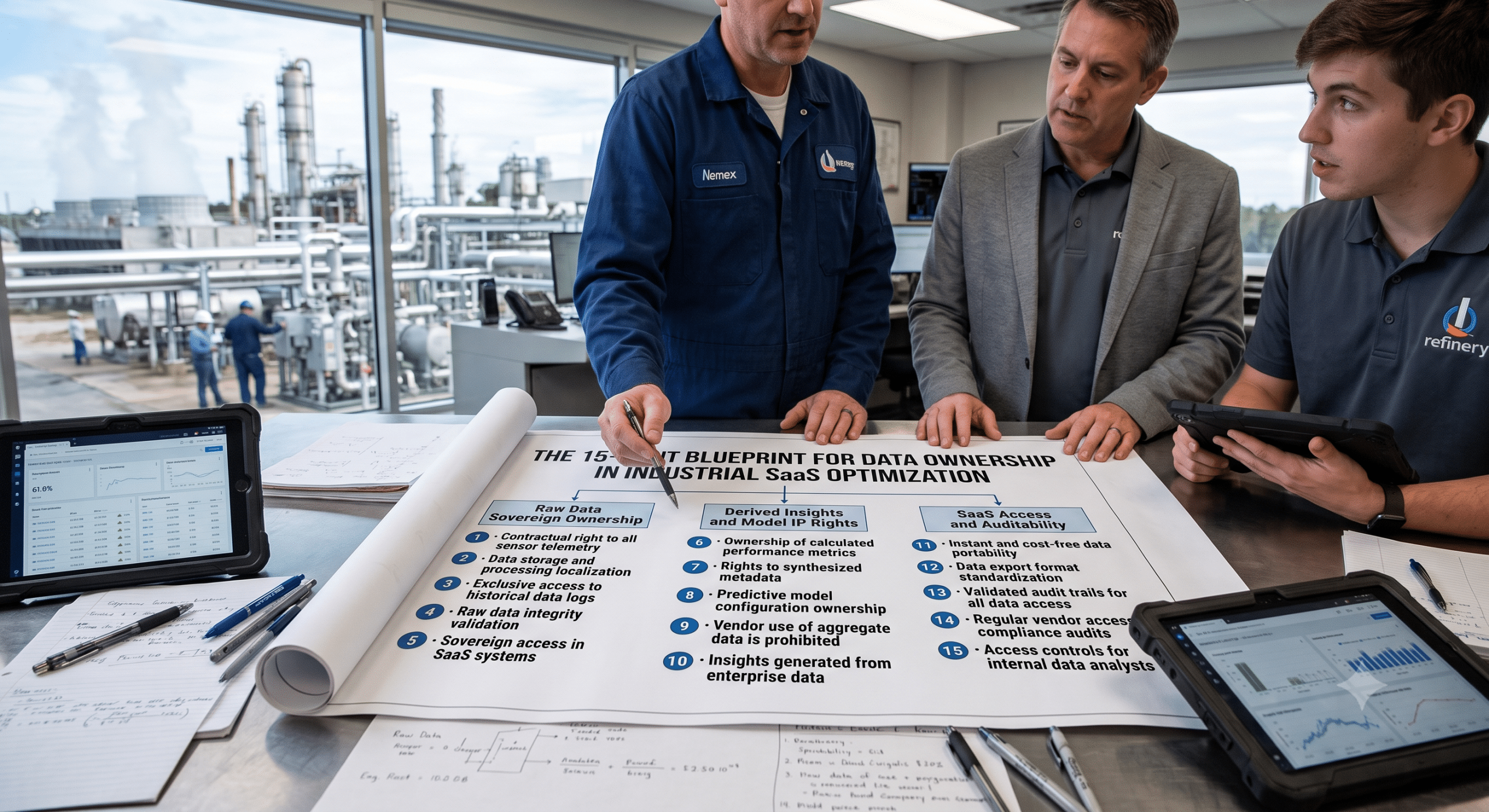
Manufacturing and heavy industry have entered the era of autonomous operations. Plant floors, chemical processing units, and logistics hubs are no longer just mechanical ecosystems. Indeed, they are living data refineries. Consequently, as modern facilities rapidly integrate artificial intelligence to optimize operations, they encounter a complex intersection. This is where physical machinery meets cloud-native software. Navigating this shift successfully requires an expert approach. This strategy must balance technical capabilities with rigorous operational choices.
For operations leaders, the primary objectives remain entirely unchanged. These goals are maximizing throughput, reducing cycle times, and minimizing scrap rates. However, achieving these milestones now depends on how effectively an enterprise governs its operational data. For instance, consider when a factory deploys a predictive maintenance model. The same applies to a real-time asset optimization tool or an automated quality-inspection system. When utilizing a cloud platform, a fundamental question arises: Who owns the underlying data, the intermediate features, and the final optimized outputs?
In the world of cloud-hosted manufacturing software, clear data ownership is not merely a legal contract detail. On the contrary, it serves as the foundational architecture. This framework determines whether an industrial intelligence initiative succeeds or fails. Ultimately, unclear data boundaries lead to operational friction, model inaccuracies, and significant production bottlenecks. Conversely, establishing a transparent framework for managing data assets allows industrial enterprises to achieve breakthrough success. They can unlock unprecedented levels of operational efficiency and competitive advantage.
1. The Core Metrics: Connecting Data Governance Directly to the Plant Floor
To understand the value of data oversight, we must look directly at the plant floor. We must analyze the primary metrics that drive manufacturing profitability. Therefore, every digital asset, sensor reading, and algorithmic adjustment must directly support the optimization of physical production outputs.
+------------------------------------------------------------+
|                INDUSTRIAL AI GOVERNANCE                    |
+------------------------------------------------------------+
                              |
                              v
+------------------------------------------------------------+
|         DATA OWNERSHIP IN INDUSTRIAL SAAS FRAMEWORK        |
+------------------------------------------------------------+
          |                   |                   |
          v                   v                   v
+-------------------+ +-------------------+ +-------------------+
|    THROUGHPUT     | |    CYCLE TIME     | |    SCRAP RATE     |
|   MAXIMIZATION    | |     REDUCTION     | |   MINIMIZATION    |
+-------------------+ +-------------------+ +-------------------+
          |                   |                   |
          \___________________|___________________/
                              |
                              v
+------------------------------------------------------------+
|              OPTIMIZED OPERATIONAL EFFICIENCY              |
+------------------------------------------------------------+
Maximizing Throughput via Data Continuity
Throughput is undoubtedly the lifeblood of any industrial operation. High-frequency sensor data flows from supervisory control systems directly into cloud platforms. This seamless transmission allows predictive models to forecast equipment failures before they happen. However, if data ownership boundaries are poorly defined, the continuous flow of information can stall. These disruptions happen due to security disputes or vendor access restrictions.
As a result, a critical asset may experience an unexpected bottleneck. This usually occurs because an analytics platform lost access to real-time telemetry. When this happens, throughput suffers immediately. Therefore, enterprises must secure unhindered, sovereign ownership of both raw and processed data streams. This security ensures that optimization algorithms receive a continuous feed of information. Consequently, this reliable pipeline keeps production lines running at maximum capacity.
Reducing Cycle Time with Distributed Edge-to-Cloud Workflows
Cycle time represents the total time required to transform raw materials into a finished product. This metric depends heavily on rapid, automated decision-making. Because of this, modern industrial setups utilize distributed computing models. These frameworks process critical data both at the factory edge and in the cloud. Meanwhile, an enterprise might rely on an external software provider that claims exclusive rights over derived insights. In this case, the facility cannot easily feed those insights back into its local control systems.
Naturally, this disconnect introduces operational latency. Operators must manually verify recommendations or wait for third-party systems to authorize setpoint changes. By establishing clear data ownership, companies allow for seamless integration between cloud insights and edge execution. This streamlined connectivity radically accelerates production loops and reduces overall cycle times.
Minimizing Scrap Rate through Strict Algorithmic Quality Control
Scrap rate directly impacts a factory’s bottom line. For this reason, minimizing defective products requires precise control over raw material variables. Engineers must also monitor environmental factors and machinery calibrations closely. Fortunately, machine learning models excel at discovering hidden patterns. They find the exact cross-sections of variables that lead to out-of-specification outputs.
However, a restrictive platform might lock away the data that engineers need to train these quality-assurance models. As a direct result, plant teams cannot easily perform root-cause analyses or audit the model’s logic. In contrast, true data ownership gives plant teams total transparency into how input variables affect quality. This visibility allows them to adjust parameters instantly and keep scrap rates as close to zero as possible.
2. Navigating the Realities of Cloud-Hosted Industrial Platforms
The traditional software model involved buying a permanent license. Companies installed the program on an on-premises server. This setup kept all operational data safely contained within the facility’s physical walls. However, the modern software landscape operates very differently. Specifically, vendors now primarily deliver industrial applications via cloud-based subscriptions. This modern deployment introduces new variables regarding where information lives and who controls it.
The Illusion of Simple Data Custody
A manufacturing company often transmits its raw vibration, temperature, and pressure data to a cloud-native platform. In this scenario, the software provider hosts that information on remote servers. Consequently, many organizations mistake this third-party custody for a complete transfer of operational rights. This assumption is a dangerous operational blind spot.
Thus, it is vital to distinguish between data storage and data ownership. A vendor handles the physical infrastructure and manages the software environment. However, the industrial enterprise must explicitly retain complete ownership of all generated operational metrics. Without these clear contractual guardrails, a manufacturer might face unpleasant surprises. They might discover that they must pay extra fees just to download their own historical plant logs.
The Challenge of Aggregated and Derived Data
The most complex data disputes rarely involve raw sensor inputs. Instead, they center around derived data. This category includes clean datasets, anomaly scores, and optimized recipes that analytics platforms generate. Furthermore, software vendors frequently seek the right to aggregate customer data. They want to strip out identifying details and use it to train their own base models.
Using aggregate data to improve general software functionality is a standard industry practice. Even so, an industrial operator must ensure that its unique operational advantages remain private. These advantages should not be accidentally shared with competitors. Therefore, an algorithm might learn the precise, proprietary methodology a chemical plant uses to maximize yield. In that case, that specialized knowledge must remain protected within the enterprise’s private data boundary.
3. Designing a Resilient Operational Framework
A successful digital transformation requires a structured approach. This architecture explicitly defines roles, access permissions, and accountability across the entire organization.
+-------------------------------------------------------------+
|               INDUSTRIAL ENTERPRISE BOUNDARY                |
|                                                             |
|  +-------------------------------------------------------+  |
|  |                Enterprise Governance                  |  |
|  |  - Operational Leaders: Define yield and cycle goals  |  |
|  |  - Compliance Managers: Audit risk and data access   |  |
|  +-------------------------------------------------------+  |
|                             |                               |
|                             v                               |
|  +-------------------------------------------------------+  |
|  |                 On-Premises Edge                      |  |
|  |  - High-frequency sensor streams (Vibration, Temp)    |  |
|  |  - Local automated control systems                    |  |
|  +-------------------------------------------------------+  |
+-------------------------------------------------------------+
                              |
                    Secure Data Pipeline
                     (TLS Encryption)
                              |
                              v
+-------------------------------------------------------------+
|                INDUSTRIAL SAAS PLATFORM                     |
|                                                             |
|  +-------------------------------------------------------+  |
|  |             Cloud Analytics Environment               |  |
|  |  - Anomaly detection & predictive algorithms          |  |
|  |  - Optimized setpoints & process recommendations      |  |
|  +-------------------------------------------------------+  |
|                                                             |
|  > Policy Guardrail: Vendor prohibited from using proprietary|
|    process data to train external competitor models.         |
+-------------------------------------------------------------+
Establishing Explicit Internal Accountabilities
Data oversight inevitably fails when leadership merely implies responsibilities. Teams must explicitly assign these duties instead. Within an industrial facility, specific, coordinated roles must share accountability. For example, operational leaders serve as the primary business owners. They determine which production metrics they share with cloud applications to maximize yield.
Simultaneously, compliance managers operate as risk officers. They ensure that all data transfers align with international safety, privacy, and intellectual property standards. In order to succeed, these two roles must collaborate closely. They must align with plant engineers and IT specialists. This teamwork ensures that every cloud-connected asset has a designated manager responsible for data quality and access control.
Implementing Role-Based Access and Infrastructure Boundaries
Protecting high-value process data requires implementing strict identity and access management policies. Consequently, industrial facilities must enforce granular, role-based access rules. This protocol ensures that only authorized personnel and verified service accounts can modify automated control configurations.
Furthermore, engineers should isolate highly sensitive operational recipes within secure network zones. This isolation prevents them from ever leaking to less secure layers of the cloud environment. Companies must encrypt data both when it rests in storage and while it moves in transit. By doing so, an enterprise successfully protects its core intellectual property. Meanwhile, cross-functional teams can still collaborate effectively.
4. The 15 Essential Principles for Industrial AI Governance
To guide organizations through the complexities of cloud-hosted analytics, this blueprint outlines fifteen foundational principles. These rules secure data rights and optimize plant performance.
1. Retention of Primary Intellectual Property
First and foremost, an industrial enterprise must protect its assets in every software contract. The wording must state that the company retains absolute ownership of all raw operational metrics that its machinery generates. Therefore, leadership should view the software provider strictly as a temporary processor of that information. They are never a co-owner or primary custodian of the company’s operational history.
2. Immediate, Cost-Free Data Portability
In addition, organizations must secure the right to extract their operational data at any time. This information must be available in a clean, standard format. The process must remain free from financial penalties or bureaucratic delays. If a software partnership ends, the manufacturer must be able to migrate its entire historical record to a new system smoothly. This portability ensures that nothing compromises production continuity.
3. Clear Boundaries on Vendor Model Training
Equally important, contracts must explicitly prohibit software providers from utilizing an enterprise’s proprietary data. Vendors cannot use this data to train machine learning models that they later sell to direct competitors. While general software improvements are acceptable, specialized process insights must remain exclusive. The business that generated the data must retain sole enjoyment of those insights.
4. Direct Accountability for Algorithmic Recommendations
An automated system may suggest adjustments to plant machinery. When this happens, a clear human or system owner must take responsibility for validating those changes before execution. Indeed, automated loops require structured oversight. This precautionary step prevents unverified recommendations from causing equipment wear, safety hazards, or sudden drops in throughput.
5. Granular Tracking of Data Provenance
Furthermore, industrial facilities must maintain complete visibility into the lineage of their data. Documentation must show exactly where a sensor reading originated. It must track how cloud workflows modified it and where engineers applied it. This clear provenance tracking simplifies troubleshooting when a model’s recommendations deviate from expected operational norms.
6. Continuous, Automated Quality Audits
On the other hand, sensor drift and network latency can quickly introduce noise into industrial data streams. This degradation leads to inaccurate model predictions. By implementing real-time data observability tools, teams can identify and correct data quality issues immediately. This proactive stance keeps analytics accurate and minimizes scrap rates.
7. Universal Standardization of Plant Naming Conventions
Managing data across multiple facilities requires enforcing a unified plant information dictionary. Teams must standardize tag formats across all locations. Thanks to this consistency, analytics platforms can easily interpret data from different sites. This uniform language accelerates multi-unit software rollouts and reduces overall cycle times.
8. Strict Verification of Vendor Security Protocols
Compliance managers must thoroughly audit the vendor’s security architecture before connecting plant machinery to a cloud-native platform. In particular, this process includes verifying third-party compliance certifications. It also requires reviewing encryption standards and establishing clear procedures for responding to potential data breaches.
9. Enforcement of Contractual Data Destruction
When a software subscription concludes, the vendor must provide a formal, verified certification. This document proves that they have completely erased all copies of the manufacturer’s sensitive operational data from their cloud servers. This vital step prevents legacy data from persisting indefinitely on backup drives or secondary networks.
10. Robust Local Fail-Safe Operations
Cloud analytics offer powerful optimization capabilities. Even so, the physical plant must always maintain the ability to operate independently during a network outage. Specifically, edge devices must run local, baseline control loops. These independent frameworks preserve throughput and protect equipment if connection to the cloud drops.
11. Transparent Model Explainability and Logic
Black-box analytics systems pose a significant operational risk on a high-stakes production floor. For this reason, industrial operators should prioritize software solutions that offer clear explainability. This transparency allows engineers to review the underlying logic behind a recommended setpoint change before implementing it.
12. Context-Aware Bias and Drift Monitoring
Industrial processes naturally evolve over time. This evolution happens due to seasonal weather shifts, mechanical wear, and variations in raw materials. Consequently, governance frameworks must include continuous monitoring systems. These tools detect when a model’s performance begins to degrade, triggering recalibrations before the shifts impact production quality.
13. Comprehensive Non-Human Identity Governance
Modern cloud environments rely heavily on automated service accounts, API connections, and software bots to move data between platforms. Therefore, teams must govern these non-human identities with extreme rigor. They require the same oversight as human user accounts, utilizing unique credentials and tightly restricted permissions to minimize security risks.
14. Synchronized Real-Time Data Streams
Optimizing high-speed manufacturing processes requires precise, synchronized time-stamping across all distributed sensors and edge devices. Otherwise, misaligned timestamps can confuse machine learning algorithms. This confusion leads to incorrect recommendations that increase cycle times and scrap rates.
15. Cross-Functional Digital Literacy Programs
As a final note, the success of any governance framework depends entirely on the people executing it. Developing structured training programs ensures a shared understanding. It helps plant operators, data engineers, and compliance managers all speak the same language. This alignment transforms data governance from a standard checklist into a core operational strength.
Conclusion: Driving Sustained Value Through Structural Oversight
Establishing robust data oversight is no longer a bureaucratic option for modern industrial operations. Rather, it is a fundamental requirement for long-term competitiveness. By taking a proactive approach to managing operational data assets, industrial leaders protect their unique processing insights. This protection paves the way for sustainable efficiency improvements.
When an organization secures absolute clarity over its digital infrastructure, it eliminates operational friction. This friction often stalls digital transformation initiatives. With transparent data ownership, factories run more reliably. Engineering teams collaborate more effectively, and cloud-native optimization tools can perform at their highest level. Ultimately, investing in comprehensive data governance protects an enterprise’s bottom line. It helps managers maximize throughput, reduce cycle times, and maintain a minimal scrap rate for years to come.
Frequently Asked Questions
What exactly is data ownership within an industrial software context?
It refers to the explicit legal and operational rights an enterprise holds over all information that its machinery, sensors, and processes generate. This framework guarantees that the manufacturer retains total control over its information. This asset protection remains intact even when a team transmits data to a cloud-hosted platform for analysis.
How does poor data governance directly increase factory scrap rates?
When data streams lack clear ownership and regular quality checks, automated models often receive incomplete or inaccurate sensor readings. These flawed inputs cause algorithms to recommend incorrect machine calibrations or chemical mixes. As a result, this bad data creates defective products that workers must discard.
Why shouldn’t software providers use my plant’s data to train their general models?
Software vendors use aggregated data to refine basic application performance. Even so, your factory’s specific telemetry reflects your unique operational expertise. Allowing a provider to use those precise insights to train models could create a serious risk. They might inadvertently package your competitive advantage and offer it directly to your market rivals.
What is the role of an edge device during a total cloud connection outage?
Edge devices serve as a local operational safeguard. They run simplified, on-site control loops that keep the plant operating safely and efficiently during an internet disruption. This local control ensures that the facility maintains throughput even when advanced cloud analytics are temporarily unavailable.
References for Further Reading
-
For an in-depth exploration of model lifecycle management, data lineage tracking, and accountability frameworks in modern analytics, see the industry overview at Datatron Blog on AI Governance.
-
To learn more about establishing automated access controls and managing non-human identities across cloud-hosted applications, review the architectural guide at Reco AI on SaaS Data Governance.
-
For practical steps on structuring data ownership roles and deploying collaborative risk frameworks in heavy industry, read the comprehensive analysis at Future Processing Blog on AI Data Governance.