
 By Robert Smith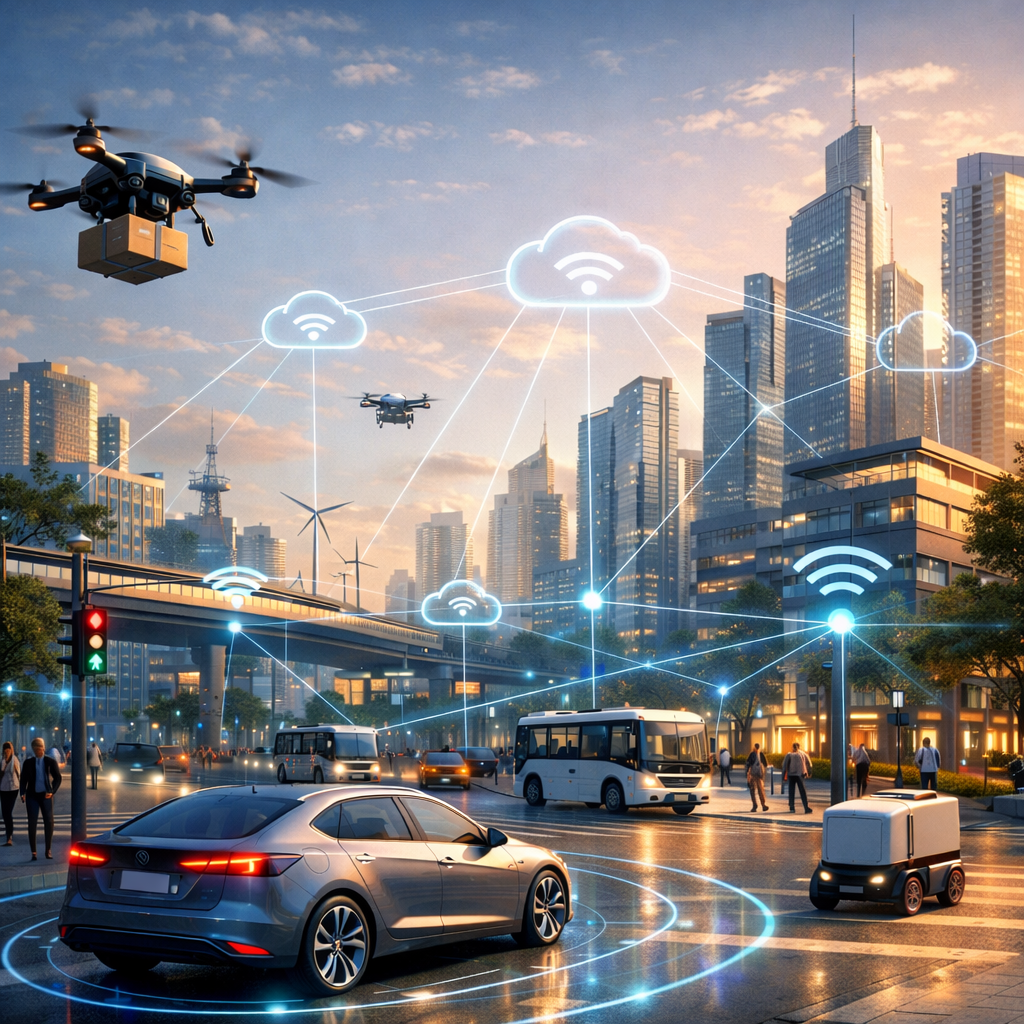
Autonomous systems are reshaping the future of IoT and automation. These intelligent systems allow machines, devices, and software platforms to operate independently with minimal human intervention. By combining sensors, connectivity, artificial intelligence, and control mechanisms, they can perceive their environment, analyze data, and take action in real time.
This beginner-friendly yet technical article explains how autonomous systems function within IoT ecosystems, their architecture, real-world applications, and the challenges organizations must address when implementing them.
What Are Autonomous Systems?
Autonomous systems are integrated hardware and software solutions capable of performing tasks without continuous human control. Unlike traditional automated systems that follow static rules, these systems adapt dynamically using data-driven models.
They rely on continuous feedback loops. Sensors gather information, algorithms process it, decisions are made, and actions are executed. Over time, machine learning models improve performance by analyzing historical outcomes.
Examples include self-driving vehicles, robotic warehouse systems, and smart energy grids that balance supply and demand automatically.
How IoT Enables Intelligent Operation?
The Internet of Things (IoT) forms the backbone of intelligent machine ecosystems. IoT connects devices, sensors, and actuators through wired or wireless networks, allowing real-time data exchange.
Within this environment, autonomous systems depend on:
- Sensor networks for environmental awareness
- Cloud and edge platforms for computation
- Communication protocols for reliable data transfer
- AI engines for decision-making
Without IoT infrastructure, machines would lack the continuous data streams required for independent operation.
Core Architecture and Components
Understanding the architecture helps beginners grasp how everything works together.
1. Sensing Layer
The sensing layer includes physical devices that capture data such as temperature, pressure, motion, vibration, light, or location. Advanced applications may use LiDAR, cameras, radar, and ultrasonic sensors.
Accurate sensing is essential because decisions are only as reliable as the data collected.
2. Connectivity Layer
Devices communicate through protocols such as MQTT, CoAP, HTTP, OPC UA, or 5G networks. Secure transmission ensures data integrity and protects against unauthorized access.
Low-latency communication is critical for time-sensitive operations like robotics or transportation systems.
3. Processing Layer
Data processing can occur in three primary locations:
- Edge computing devices
- Fog computing nodes
- Cloud platforms
Edge computing reduces latency and enables faster reactions. Cloud platforms handle heavy analytics and long-term data storage.
4. Intelligence Layer
Artificial intelligence and machine learning algorithms interpret incoming data. Common techniques include:
- Neural networks
- Reinforcement learning
- Computer vision
- Predictive analytics
These models allow machines to classify patterns, forecast outcomes, and select optimal actions.
5. Actuation and Control
Actuators convert digital decisions into physical movement or operational changes. This may involve motors, robotic arms, hydraulic systems, valves, or software-based controls.
Decision-Making Process
The intelligence cycle follows a structured loop:
- Perception – Collect real-time sensor data
- Analysis – Interpret data using algorithms
- Planning – Evaluate possible actions
- Execution – Implement the selected response
- Learning – Improve performance through feedback
This continuous loop enables adaptability. For example, an agricultural drone can detect crop stress, adjust spraying patterns, and refine its route in future missions.
Practical Applications Across Industries
Autonomous systems play a vital role in modern automation strategies across many sectors.
Smart Manufacturing
Factories use intelligent robotics for assembly, inspection, and predictive maintenance. Sensors monitor machinery health, and AI models predict failures before they disrupt production.
Transportation
Self-driving vehicles rely on sensor fusion, computer vision, and control algorithms to navigate roads safely and efficiently.
Agriculture
Precision farming technologies optimize irrigation, fertilization, and harvesting by analyzing environmental data in real time.
Healthcare
Medical robotics assist surgeons, while automated monitoring systems track patient conditions and trigger alerts when abnormalities are detected.
Smart Cities
Traffic systems adjust signal timing dynamically to reduce congestion and improve safety.
Benefits of Intelligent Automation
Organizations adopting autonomous systems experience several advantages:
- Reduced human intervention
- Increased operational efficiency
- Improved safety in hazardous environments
- Real-time responsiveness
- Scalable infrastructure
These systems also enable predictive maintenance, which lowers downtime and operational costs.
Role of Edge Computing
Edge computing is a key enabler of autonomous decision-making. Instead of sending all data to centralized cloud servers, edge devices process information locally.
This approach provides:
- Faster response times
- Lower bandwidth consumption
- Enhanced privacy
- Greater reliability
For example, a robotic arm on a factory floor must react instantly to avoid collisions. Processing data at the edge ensures immediate response.
Comparison with Traditional Automation
Traditional automation systems follow predefined rules and fixed workflows. They are efficient but lack adaptability.
| Feature | Traditional Automation | Intelligent Autonomous Operation |
|---|---|---|
| Logic | Rule-based | AI-driven |
| Adaptability | Limited | High |
| Learning | None | Continuous improvement |
| Data Usage | Static | Real-time analytics |
The ability to learn and adapt differentiates modern intelligent systems from conventional automation.
Technical Challenges
Although powerful, autonomous systems present several technical considerations.
Data Quality and Integrity
Inaccurate or incomplete sensor data can produce incorrect decisions. Regular calibration and validation are essential.
Cybersecurity
Connected devices create potential attack surfaces. Encryption, authentication, secure boot processes, and firmware updates protect system integrity.
Latency Constraints
Applications like robotics and transportation demand ultra-low latency. Combining edge computing with optimized networking ensures reliable performance.
Reliability and Redundancy
Critical environments require fail-safe mechanisms and redundant components to prevent catastrophic failure.
Ethical and Regulatory Issues
In areas such as healthcare and transportation, compliance with safety standards and ethical guidelines is mandatory.
Future Trends
The future of autonomous systems in IoT and automation includes deeper AI integration, expanded 5G networks, and collaborative robotics. Emerging innovations such as digital twins and swarm intelligence will enhance simulation and coordination.
As industries move toward decentralized intelligence, many experts highlight the shift toward autonomous connected operations in enterprise environments, as discussed in this analysis by IoT Analytics.
Industries are moving toward decentralized intelligence, where connected devices collaborate and self-organize. This evolution will enable smart grids, automated logistics networks, and adaptive industrial ecosystems.
As computing power becomes more affordable and AI models more advanced, intelligent automation will continue to expand globally.
Getting Started as a Beginner
Those interested in learning more should explore:
- Embedded systems fundamentals
- IoT communication protocols
- Machine learning basics
- Robotics and control theory
- Cybersecurity practices
Hands-on experimentation with microcontrollers like Arduino or Raspberry Pi can provide practical experience. Open-source AI libraries also offer opportunities to build prototypes and understand system integration.
Conclusion
Autonomous systems represent the next stage of IoT and automation. By integrating sensors, connectivity, artificial intelligence, and control mechanisms, these systems enable machines to operate independently and intelligently.
They enhance efficiency, safety, scalability, and predictive capabilities across industries. While technical challenges exist, advancements in edge computing, AI, and secure networking continue to drive innovation.
For beginners and professionals alike, understanding how these intelligent systems function is essential for navigating the rapidly evolving world of connected technology.