
 By Robert Smith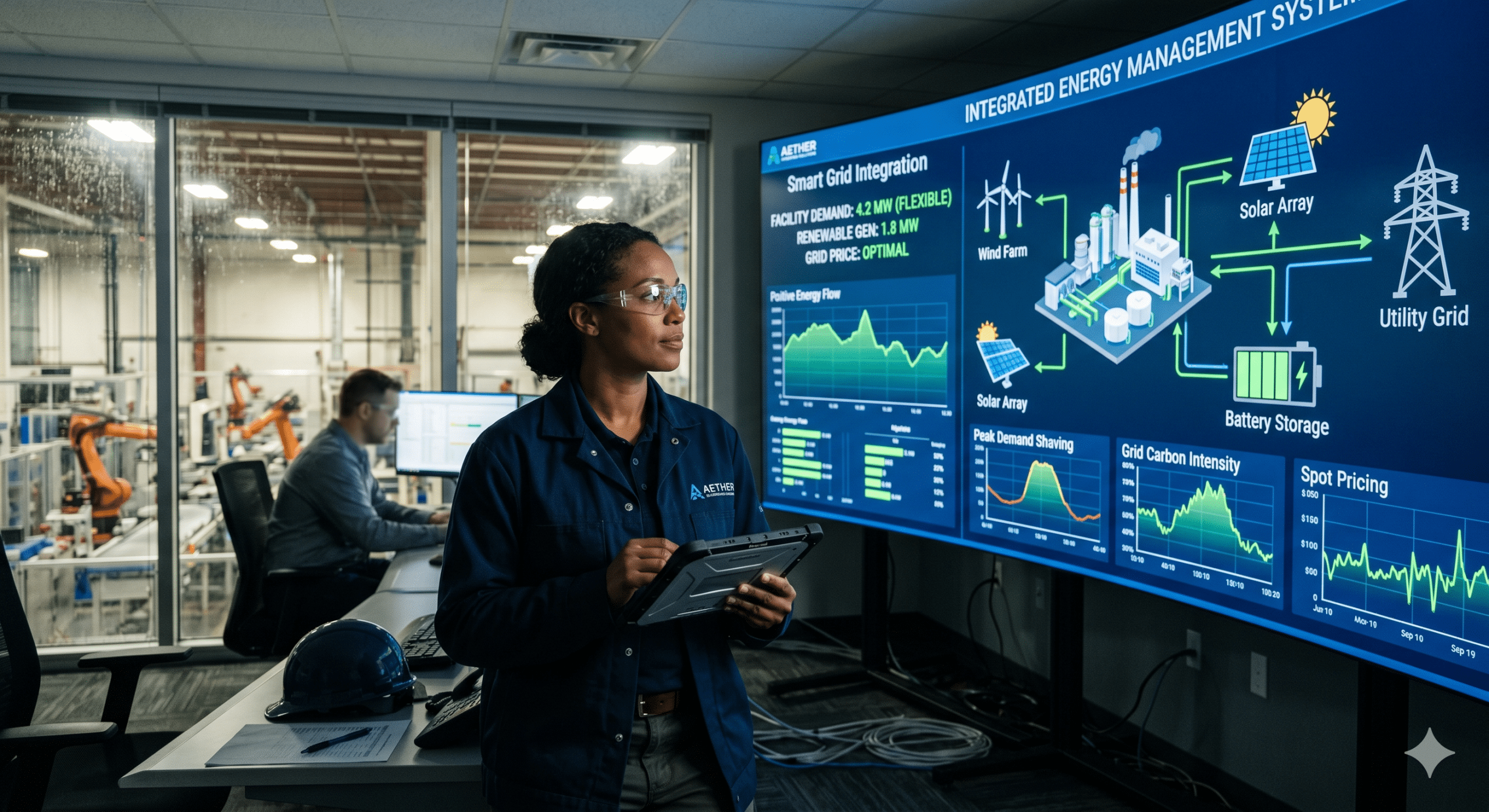
For years, industries treated electricity like an unlimited utility that would always be available when needed. Machines ran continuously, factories consumed massive amounts of power, and very few companies questioned where that energy came from or how efficiently it was being used. Today, that mindset is changing fast. Rising energy costs, climate concerns, unstable power supply, and the global push toward sustainability are forcing industries to rethink the way energy is generated, distributed, and consumed.
This is where Smart Grid Integration is changing the conversation.
From an industrial engineering perspective, smart grid integration is not simply about installing new technology. It is about improving the entire flow of energy the same way engineers improve production flow inside factories. The goal is to create a system that is more efficient, responsive, reliable, and sustainable while reducing unnecessary waste and operational risk.
Traditional power grids were designed decades ago for a simpler world. Electricity moved in one direction, from large centralized power plants to homes, offices, and factories. The old model worked reasonably well when energy demand was predictable and renewable energy played only a small role in the system. However, modern industries now operate in a completely different environment. Renewable energy sources such as solar and wind are becoming common, electric vehicles are increasing electricity demand, and industries need real-time energy monitoring to remain competitive.
A smart grid transforms the traditional electrical network into an intelligent and connected system capable of managing energy dynamically. Instead of relying on manual adjustments and delayed information, smart grids use digital communication, automation, sensors, and advanced analytics to balance supply and demand instantly. (IEA)
As someone with an industrial engineering mindset, I see smart grids as one of the most important developments in sustainable manufacturing and operational efficiency. They combine engineering principles, automation, energy management, data analysis, and sustainability into one connected ecosystem.
The interesting part is that smart grids are no longer futuristic concepts reserved for highly developed countries. They are becoming essential infrastructure worldwide. Industries that ignore this shift may eventually face higher operating costs, more downtime, regulatory pressure, and reduced competitiveness.
Why Traditional Power Systems Are No Longer Enough
One of the biggest challenges with conventional power grids is rigidity. Traditional systems are not designed to handle rapid fluctuations in energy demand or the growing use of renewable energy sources.
For example, a factory may suddenly increase production during peak operating hours, causing a spike in electricity demand. Under older systems, utilities often struggle to respond quickly. This can create inefficiencies, voltage instability, or even outages.
Renewable energy adds another layer of complexity. Solar and wind power are highly dependent on weather conditions. Cloud cover, wind speed, and seasonal changes affect energy generation continuously. Traditional grids were never designed to manage this level of variability effectively. (Wikipedia)
Smart grids solve this issue through real-time communication and automation. Sensors installed across the grid monitor electricity flow constantly. Data analytics systems predict changes in demand and supply. Automated controls redistribute electricity where it is needed most. This allows utilities and industries to react immediately instead of waiting for problems to occur.
From an operations management standpoint, this is similar to implementing real-time monitoring in manufacturing. Factories that monitor production data continuously are able to reduce waste, improve efficiency, and prevent equipment failures before they happen. Smart grids apply the same principle to energy systems.
The Real Connection Between Sustainability and Smart Grid Integration
Many people associate sustainability only with renewable energy, recycling, or reducing carbon emissions. While those are important, sustainability in industrial operations is really about long-term efficiency, resilience, and responsible resource management.
Smart grid integration supports sustainability because it minimizes energy waste and maximizes system efficiency. Instead of generating excess electricity “just in case,” smart grids optimize energy production and distribution based on actual demand.
The environmental impact is significant. Smart grids make it easier to integrate renewable energy sources like solar and wind into existing infrastructure. They also support battery storage systems, electric vehicles, and decentralized power generation. (ScienceDirect)
In manufacturing facilities, energy efficiency improvements can translate directly into reduced carbon emissions. A factory using smart energy systems can automatically shift certain operations to off-peak hours when electricity demand is lower and renewable energy availability is higher.
This creates a ripple effect across the entire supply chain. Lower energy consumption reduces operational costs, lowers emissions, improves compliance with environmental standards, and strengthens corporate sustainability goals.
In practical terms, smart grid integration is helping industries become both greener and more profitable at the same time.
How Smart Grid Technology Actually Works
Many articles describe smart grids using complicated technical language, but the concept becomes easier when broken down into operational functions.
At its core, a smart grid uses advanced communication technologies to connect power producers, utilities, businesses, and consumers into a coordinated network. (EBSCO)
The system relies heavily on smart sensors, automated controls, advanced metering infrastructure, and real-time analytics. These technologies continuously monitor energy usage and system conditions.
Imagine a manufacturing plant operating multiple production lines. Under a smart grid system, energy consumption from each line can be monitored in real time. If one area begins consuming excessive power, the system can identify the issue immediately. Maintenance teams can investigate before the problem escalates into equipment damage or costly downtime.
Utilities also benefit because smart grids improve visibility across the network. Operators can detect outages faster, reroute electricity automatically, and stabilize voltage fluctuations without manual intervention.
Artificial intelligence is becoming increasingly important in smart grid operations as well. AI-driven forecasting tools can predict energy demand patterns, renewable energy output, and equipment maintenance needs with remarkable accuracy. (Reuters)
This predictive capability is extremely valuable for industries where unplanned downtime can cost thousands of dollars per hour.
The Role of Renewable Energy in Smart Grid Integration
Renewable energy and smart grids are deeply connected. Without smart grid systems, integrating large amounts of renewable energy into national power systems becomes extremely difficult.
Solar panels and wind turbines generate electricity differently from traditional coal or natural gas plants. Their output changes constantly depending on weather conditions. This unpredictability can create instability in older power grids.
Smart grids provide the flexibility needed to manage these fluctuations. They can balance electricity supply and demand dynamically while coordinating multiple energy sources simultaneously. (IEA)
For industrial facilities, this opens new opportunities.
Many factories are now installing rooftop solar systems or localized renewable energy solutions. Through smart grid integration, excess electricity generated during low-demand periods can be redirected back into the grid or stored for later use.
Battery energy storage systems also play an important role here. When renewable generation exceeds immediate demand, batteries store excess energy. During peak demand or low renewable output, stored energy can be released back into the system.
This approach improves energy reliability while reducing dependence on fossil fuels.
From an industrial engineering perspective, this is essentially resource optimization. Instead of allowing surplus energy to go unused, smart grids ensure energy is distributed efficiently across the network.
Smart Grids and Industrial Energy Efficiency
Energy efficiency has always been a critical focus in industrial engineering. Whether improving machine utilization, reducing idle time, or optimizing production scheduling, the objective remains the same: maximize output while minimizing waste.
Smart grid integration strengthens this objective dramatically.
One of the biggest advantages is demand-side management. Smart grids allow industries to adjust energy usage based on real-time electricity demand and pricing.
For example, energy-intensive operations can be scheduled during off-peak hours when electricity costs are lower. Automated systems can temporarily reduce non-essential loads during peak demand periods without affecting overall production targets.
This flexibility reduces operating costs while easing pressure on the electrical grid.
Advanced metering systems also provide detailed insights into energy consumption patterns. Instead of relying on monthly utility bills, industries can analyze energy usage by machine, department, or production line.
This level of visibility helps engineers identify inefficiencies that would otherwise remain hidden.
In many facilities, compressed air systems, HVAC equipment, and idle machinery consume significant amounts of unnecessary electricity. Smart monitoring systems make these inefficiencies easier to detect and correct.
Over time, these improvements contribute to substantial cost savings and sustainability gains.
Why Grid Resilience Matters More Than Ever
Extreme weather events, aging infrastructure, and rising energy demand are putting enormous pressure on power systems globally.
Industries today cannot afford prolonged outages. Even a short interruption can disrupt production schedules, damage equipment, delay shipments, and affect customer satisfaction.
Smart grid integration improves resilience by making electrical systems more adaptive and self-correcting. Advanced monitoring systems can detect faults quickly and isolate affected areas automatically. (arXiv)
Instead of widespread blackouts, disruptions can often be contained locally.
Microgrids are becoming increasingly important in this area. A microgrid is a smaller localized energy system capable of operating independently when the main grid fails.
Hospitals, factories, airports, and critical facilities are investing heavily in microgrid technology because it enhances energy security and operational continuity.
As climate-related disruptions become more common, resilient energy infrastructure will become a major competitive advantage for industries.
The Financial Side of Smart Grid Integration
One reason some companies hesitate to adopt smart grid technologies is the perceived upfront investment.
There is no denying that upgrading infrastructure, installing advanced meters, automation systems, and renewable integration technologies requires capital. However, focusing only on initial costs misses the bigger picture.
From a long-term operational standpoint, smart grids often reduce total energy expenses significantly.
Lower downtime, better load management, reduced maintenance costs, optimized energy usage, and improved equipment performance all contribute to measurable savings.
Many governments and utility providers also offer incentives for energy efficiency upgrades and renewable integration projects.
Additionally, companies increasingly face pressure from investors, regulators, and consumers to improve sustainability performance. Businesses with strong energy management systems often gain reputational and financial advantages in the market.
Smart grid integration is no longer simply an environmental initiative. It is becoming a strategic business decision.
Challenges Industries Still Face
Despite the benefits, implementing smart grid systems is not without challenges.
Cybersecurity remains one of the biggest concerns. Because smart grids rely heavily on digital communication and connected devices, protecting infrastructure from cyber threats is critical. (ResearchGate)
Data management is another challenge. Smart grids generate enormous amounts of operational data that must be processed, analyzed, and secured effectively.
Workforce training is equally important. Engineers, technicians, and operations managers need new skills related to automation, data analytics, energy systems, and digital technologies.
Infrastructure limitations can also slow implementation, especially in regions with aging electrical networks.
However, despite these obstacles, the overall direction is clear. Global energy systems are moving toward smarter, cleaner, and more decentralized models.
Industries that begin adapting today will likely be better positioned for future energy demands and sustainability requirements.
The Future of Smart Grid Integration
The future of energy management will be far more interconnected than what most industries are used to today.
Artificial intelligence, machine learning, IoT devices, advanced battery systems, and predictive analytics will continue transforming how electricity is generated and consumed. (Reuters)
Electric vehicles will eventually become mobile energy storage units connected directly to smart grids. Buildings will automatically adjust energy usage based on weather forecasts and electricity pricing. Factories will optimize production schedules according to renewable energy availability.
This level of coordination may sound ambitious, but many of these technologies are already being implemented in different parts of the world.
As an industrial engineer, I believe the most exciting aspect of smart grid integration is not the technology itself. It is the opportunity to redesign systems more intelligently.
Industrial engineering has always focused on efficiency, process optimization, and continuous improvement. Smart grids simply extend those same principles into the energy ecosystem.
The companies that understand this shift early will not only reduce costs but also build more sustainable and resilient operations for the future.
Conclusion
Smart Grid Integration is no longer a futuristic concept reserved for energy specialists and utility companies. It is becoming one of the most important foundations of industrial sustainability and modern energy management.
Traditional power systems are struggling to meet the demands of a rapidly changing world where renewable energy, automation, electric vehicles, and digital operations are growing quickly. Smart grids offer a practical solution by creating intelligent, flexible, and efficient energy networks capable of adapting in real time.
From an industrial engineering perspective, smart grids represent the next evolution of operational efficiency. They reduce waste, improve reliability, strengthen sustainability efforts, and create smarter ways to manage energy resources.
Industries that embrace this transformation will likely experience lower operating costs, improved resilience, stronger sustainability performance, and greater long-term competitiveness.
The future of energy is no longer just about producing more electricity. It is about using energy more intelligently, responsibly, and sustainably than ever before.
Frequently Asked Questions About Smart Grid Integration
What is Smart Grid Integration?
Smart Grid Integration refers to the use of digital technologies, automation, sensors, and communication systems to improve the efficiency, reliability, and sustainability of electrical power networks. It allows utilities and industries to monitor and manage energy flow in real time.
Why is Smart Grid Integration important for sustainability?
Smart grids reduce energy waste, improve renewable energy integration, support energy storage systems, and optimize electricity distribution. This helps lower carbon emissions and improves long-term environmental sustainability.
How do smart grids help industries save money?
Smart grids help industries reduce electricity costs through better energy monitoring, demand-side management, predictive maintenance, and load optimization. They also reduce downtime and improve equipment efficiency.
Can smart grids work with renewable energy sources?
Yes. Smart grids are specifically designed to handle renewable energy sources such as solar and wind power. They help balance fluctuating energy generation while maintaining grid stability.
What industries benefit most from smart grid integration?
Manufacturing, logistics, healthcare, transportation, data centers, commercial buildings, and large-scale industrial operations benefit significantly from smart grid technologies due to their high energy demands.
Are smart grids vulnerable to cybersecurity threats?
Like any digital infrastructure, smart grids face cybersecurity risks. However, modern systems include advanced cybersecurity measures designed to protect energy networks from unauthorized access and attacks.
Further Reading and Reference Links
For readers who want to explore Smart Grid Integration and Industrial Sustainability further, these resources provide valuable insights:
- International Energy Agency – Smart Grids
- World Bank – Smart Grid Modernization Guidance
- U.S. Department of Energy – Smart Grid Sustainability Benefits
- ScienceDirect – Smart Grid Integrated Renewable Energy Research
- Reuters – AI and Smart Grid Energy Transition
- Diversegy – Smart Grids and Grid Modernization