
 By Robert Smith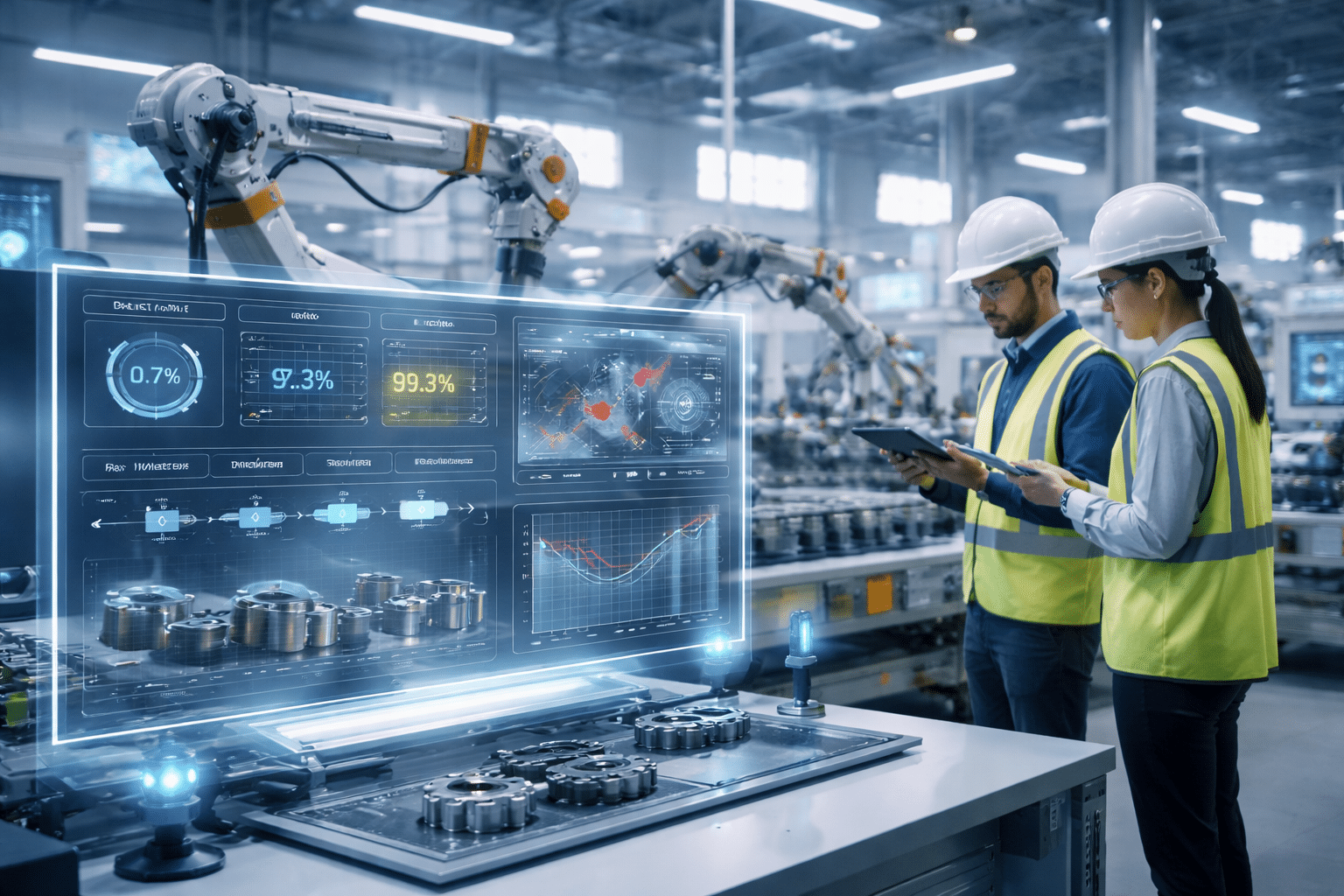
Manufacturing technology has transformed how products are designed, produced, and delivered. From automated assembly lines to AI-driven analytics, modern factories operate with remarkable speed and precision. Yet even the most advanced machinery cannot guarantee success without one essential foundation: quality control systems.
For beginners entering the manufacturing field, understanding how these systems work is critical. They ensure that products meet defined standards, reduce costly defects, and protect brand reputation. This guide explains the concept in simple terms while also providing expert-level insight into how modern production environments maintain consistent quality.
What Are Quality Control Systems?
Quality control systems are structured methods used to monitor and evaluate products during and after production. Their main purpose is to verify that each item meets required specifications before it reaches the customer.
These specifications may include:
- Size and dimensions
- Material composition
- Performance standards
- Safety requirements
- Appearance and finish
In short, these systems answer a vital question: Does this product meet the required standard? If the answer is no, corrective action is taken immediately.
Why Quality Matters in Manufacturing Technology?
Manufacturing technology today emphasizes speed, automation, and scale. However, producing large volumes quickly can also amplify mistakes. A minor defect repeated thousands of times can become a major financial loss.
Effective inspection and monitoring frameworks help manufacturers:
- Reduce waste and rework
- Lower operational costs
- Improve production efficiency
- Strengthen customer trust
- Meet regulatory requirements
- Maintain competitive advantage
Without structured oversight, even advanced factories risk producing inconsistent or unsafe products.
Quality Control vs. Quality Assurance
Many beginners confuse quality control with quality assurance. Although related, they serve different roles in manufacturing.
- Quality assurance (QA) focuses on preventing defects by improving processes.
- Quality control (QC) focuses on identifying defects in products through testing and inspection.
QA is process-oriented, while QC is product-oriented. Together, they form a complete quality management strategy.
Core Elements of an Effective Inspection System
To function properly, a structured quality framework must include several key components.
1. Clear Product Standards
Every product must have measurable criteria. These standards define acceptable limits for dimensions, durability, performance, and other factors.
2. Defined Inspection Points
Manufacturers identify critical stages where products should be evaluated. These checkpoints reduce the risk of passing defects to later stages.
3. Testing Procedures
Testing may include physical stress tests, chemical analysis, visual inspections, or digital performance assessments.
4. Documentation and Traceability
Accurate records help track production batches and identify root causes when issues arise.
5. Corrective and Preventive Actions
When problems are detected, teams implement solutions to prevent recurrence. This continuous improvement cycle strengthens long-term reliability.
Types of Quality Monitoring Methods in Manufacturing
Different industries apply different approaches depending on complexity and risk level.
Statistical Process Control (SPC)
SPC uses data and statistical tools to monitor production trends. Instead of waiting for defects to appear, it identifies variations early.
For example, if a machine begins drifting outside tolerance limits, control charts can signal the issue before large-scale damage occurs.
Total Quality Management (TQM)
TQM promotes company-wide responsibility for excellence. Every employee contributes to improving processes and customer satisfaction.
This approach focuses on long-term improvement rather than short-term inspection.
Six Sigma
Six Sigma is a structured, data-driven methodology that reduces defects using the DMAIC framework:
- Define
- Measure
- Analyze
- Improve
- Control
It is widely used in automotive, electronics, and high-precision industries.
ISO-Based Frameworks
Many manufacturers adopt international standards such as ISO 9001. These structured management systems ensure consistent documentation, auditing, and compliance across global operations.
How Modern Technology Enhances Product Quality?
Recent advances in manufacturing technology have dramatically improved inspection accuracy and efficiency. Modern manufacturing relies heavily on data-driven monitoring and real-time inspection tools.
Many factories use advanced software platforms and automation solutions to reduce defects and improve efficiency. According to this detailed guide on quality control in manufacturing, modern systems combine data analytics, automation, and predictive maintenance to maintain consistent product standards.
Automation and Robotics
Automated inspection equipment uses cameras, sensors, and robotic arms to examine products at high speed. These tools minimize human error and ensure consistent evaluation.
Artificial Intelligence
AI systems analyze production data in real time. They detect patterns, predict equipment failure, and recommend process adjustments.
For instance, machine vision systems can identify microscopic defects invisible to the human eye.
Internet of Things (IoT)
Connected devices collect performance data from machines, tools, and materials. This information feeds into centralized dashboards for monitoring and decision-making.
Digital Twin Technology
A digital twin is a virtual model of a production system. Engineers can simulate changes, test improvements, and optimize performance without interrupting actual operations.
Together, these innovations make modern oversight processes more proactive and predictive.
Steps to Build a Strong Quality Framework
Implementing structured inspection methods does not have to be complicated. Beginners can follow these practical steps:
Step 1: Define Customer Expectations
Understand what your customers value most—durability, safety, precision, or appearance.
Step 2: Map the Production Workflow
Identify each stage of manufacturing and determine where defects are most likely to occur.
Step 3: Establish Control Points
Place inspections at critical stages rather than only at the final step.
Step 4: Train Employees
Even automated environments require skilled operators who understand procedures and standards.
Step 5: Analyze Data Regularly
Use collected data to identify trends and implement improvements.
By following these steps, companies create a sustainable system for consistent results.
Common Challenges in Maintaining Product Standards
Despite advanced tools, manufacturers still face challenges.
Human Error
Manual inspections remain vulnerable to oversight mistakes.
Poor Documentation
Inconsistent record-keeping can create confusion about specifications.
Resistance to Change
Introducing new technology or procedures may face internal resistance.
Data Overload
Modern factories generate large amounts of data. Without proper analysis tools, valuable insights may be missed.
Recognizing these obstacles early allows organizations to develop stronger processes.
The Cost of Poor Quality
Failing to maintain high standards can be expensive. Hidden costs often include:
- Scrap materials
- Rework labor
- Equipment downtime
- Warranty claims
- Product recalls
- Damage to brand reputation
Investing in a structured inspection strategy often saves far more money than it costs.
Industry Applications
Nearly every manufacturing sector depends on reliable oversight procedures:
- Automotive for safety-critical components
- Pharmaceuticals for regulatory compliance
- Electronics for precision assembly
- Food processing for hygiene standards
- Aerospace for extreme reliability
Each industry tailors its approach based on risk level and legal requirements.
The Future of Quality in Manufacturing Technology
As Industry 4.0 expands, quality management will become increasingly intelligent and automated. Future developments may include:
- Fully autonomous inspection lines
- Real-time predictive analytics
- Self-correcting machinery
- Blockchain-based traceability
- Advanced AI-driven decision systems
Rather than simply detecting defects, next-generation systems will prevent them before they occur.
Conclusion
Quality control systems remain a fundamental pillar of manufacturing technology. While automation and digital innovation continue to reshape production, the goal remains the same: delivering consistent, reliable products that meet customer expectations.
By combining clear standards, structured inspection methods, trained personnel, and modern technology, manufacturers can reduce defects, improve efficiency, and protect their reputation.
In today’s competitive global market, quality is not optional. It is the defining factor that determines long-term success. Companies that prioritize structured oversight and continuous improvement will stand out as trusted leaders in their industries.