
 By Robert Smith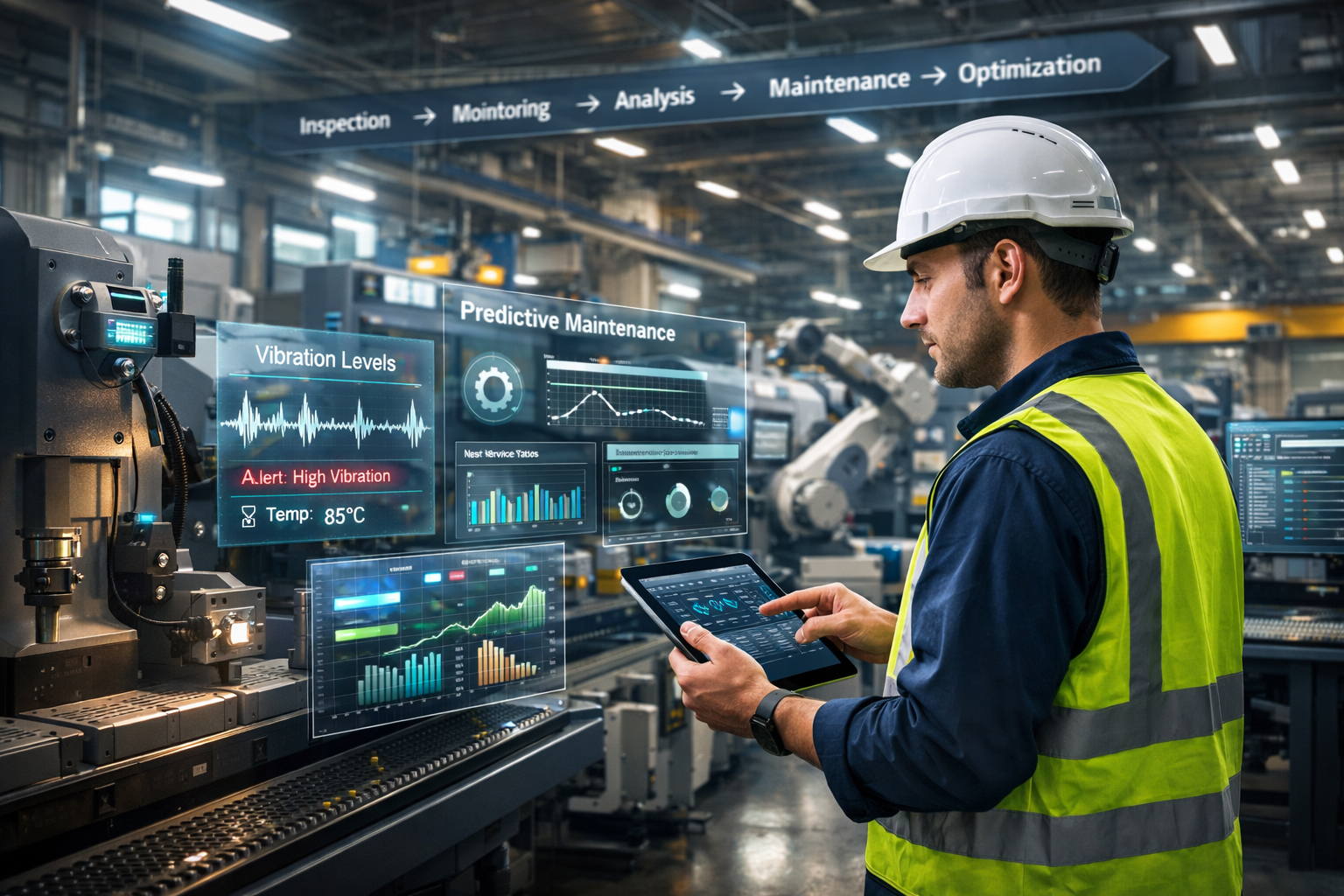
Manufacturing technology continues to evolve with automation, robotics, and smart systems transforming factory operations. However, behind every efficient production line is a strong and reliable maintenance system. Maintenance technology in manufacturing ensures that machines operate safely, efficiently, and consistently.
For beginners, this topic may sound technical. In reality, it is straightforward: it focuses on keeping equipment running at peak performance using structured strategies and digital tools. Instead of waiting for machines to fail, companies now use data, software, and predictive systems to prevent problems before they occur.
This beginner-friendly guide explains the fundamentals, methods, tools, benefits, and future trends of maintenance technology in manufacturing.
What Is Maintenance Technology in Manufacturing?
Maintenance technology in manufacturing refers to the systems, tools, and strategies used to monitor, maintain, repair, and improve industrial equipment.
In simple terms, it is the structured process of preventing machine failure and improving operational efficiency.
Modern factories depend on complex equipment such as CNC machines, robotics, conveyor systems, and automated packaging lines. When these systems fail, production stops. Delays increase costs and affect customer satisfaction. A strong maintenance approach reduces these risks.
Why Maintenance Technology Matters?
A reliable maintenance strategy supports every part of a manufacturing operation. Here are the main benefits:
1. Reduced Downtime
Unplanned downtime is expensive. Smart maintenance systems detect early warning signs, allowing technicians to address problems before breakdowns occur.
2. Improved Workplace Safety
Faulty machines can create hazardous conditions. Routine inspections and condition monitoring reduce accidents and ensure a safer working environment.
3. Longer Equipment Lifespan
Industrial machinery is a major investment. Proper servicing extends equipment life and maximizes return on investment.
4. Higher Productivity
Well-maintained machines operate smoothly. This leads to improved production rates and fewer defects.
5. Lower Operational Costs
Although maintenance requires resources, preventive and predictive methods significantly reduce emergency repairs and replacement costs.
Main Types of Maintenance Approaches
Manufacturing facilities use different maintenance strategies depending on equipment criticality and budget.
Reactive Maintenance
Also known as run-to-failure, reactive maintenance involves repairing equipment only after it breaks.
While simple, this method often leads to:
- Unexpected downtime
- Higher repair costs
- Production delays
It is typically used for non-critical assets.
Preventive Maintenance
Preventive maintenance follows a scheduled plan based on time or usage intervals. You can learn more about different industrial strategies in this detailed guide on industrial maintenance types and benefits.
Examples include:
- Lubricating components monthly
- Replacing filters every 1,000 hours
- Conducting routine inspections
This structured approach reduces the risk of sudden breakdowns.
Predictive Maintenance
Predictive maintenance uses sensors and analytics to monitor equipment condition in real time.
Data such as vibration, temperature, and pressure is analyzed to predict potential failures. Repairs are scheduled only when necessary, improving efficiency and minimizing disruptions.
This data-driven method is one of the most important advancements in modern industrial maintenance.
Condition-Based Maintenance
Condition-based maintenance triggers service actions when specific indicators show abnormal performance.
For example:
- Increased motor vibration
- Rising bearing temperature
- Irregular system noise
This ensures maintenance occurs based on actual equipment condition rather than fixed schedules.
Total Productive Maintenance (TPM)
Total Productive Maintenance encourages company-wide involvement in equipment care. Operators, technicians, and managers work together to prevent breakdowns.
The goals include:
- Zero defects
- Zero accidents
- Zero unplanned downtime
TPM strengthens operational discipline and improves overall equipment effectiveness.
Key Tools Used in Modern Maintenance Systems
Today’s maintenance technology in manufacturing relies heavily on digital solutions.
Computerized Maintenance Management Systems (CMMS)
A CMMS platform helps organizations manage maintenance tasks efficiently. It allows teams to:
- Schedule work orders
- Track equipment history
- Manage spare parts inventory
- Analyze maintenance performance
This improves organization and accountability.
Industrial IoT Sensors
Internet of Things (IoT) devices collect real-time data from machinery. Sensors monitor:
- Temperature
- Vibration
- Pressure
- Energy consumption
This information supports early detection of potential issues.
Artificial Intelligence and Machine Learning
AI systems analyze large volumes of operational data to identify patterns. Over time, machine learning improves failure prediction accuracy.
This reduces human error and supports smarter decision-making.
Digital Twins
A digital twin is a virtual model of physical equipment. Engineers use it to simulate performance and test maintenance strategies without interrupting production.
Robotics and Automated Inspection
Advanced manufacturing facilities use robots and automated drones to inspect equipment in hard-to-reach or hazardous areas. This enhances safety and efficiency.
The Role of Maintenance Professionals
Even with advanced tools, skilled technicians remain essential.
Modern maintenance professionals must understand:
- Mechanical systems
- Electrical systems
- Automation controls
- Data analysis tools
- Digital software platforms
The role has evolved from simple repair work to strategic equipment management.
Continuous training is critical as technology advances.
Maintenance Technology and Smart Manufacturing
Smart manufacturing environments rely on connected systems that communicate in real time. Maintenance plays a key role in this ecosystem.
Integrated systems allow:
- Real-time monitoring
- Automated alerts
- Predictive analytics
- Performance optimization
When maintenance data connects with production systems, factories become more responsive and efficient.
Common Challenges
Despite its benefits, implementing modern maintenance strategies can present challenges.
High Initial Investment
Digital systems, sensors, and software require upfront costs. However, long-term savings usually justify the investment.
Data Overload
Large amounts of data can overwhelm teams if not managed properly. Clear analytics strategies are necessary.
Skills Gap
There is growing demand for technicians trained in both mechanical and digital skills. Workforce development is essential.
Best Practices for Beginners
If you are new to manufacturing operations, consider these practical steps:
Focus on Critical Equipment
Start by improving reliability for machines that have the greatest impact on production.
Combine Maintenance Strategies
Use a balanced mix of preventive, predictive, and condition-based approaches.
Track Performance Metrics
Monitor key indicators such as:
- Mean Time Between Failures (MTBF)
- Mean Time to Repair (MTTR)
- Overall Equipment Effectiveness (OEE)
These metrics provide insight into system performance.
Invest in Training
Technology alone is not enough. Skilled personnel are essential for successful implementation.
The Future of Maintenance in Manufacturing
The future of maintenance technology in manufacturing is increasingly intelligent and automated.
Emerging trends include:
- AI-driven predictive analytics
- Augmented reality support for remote repairs
- 5G-enabled monitoring systems
- Self-diagnosing smart machines
As factories become more connected, maintenance will shift from reactive repairs to fully optimized asset management.
Organizations that invest in advanced maintenance systems today will gain a competitive advantage in productivity, reliability, and cost control.
Conclusion
Maintenance technology in manufacturing is more than equipment repair. It is a strategic discipline that supports safety, efficiency, and profitability.
By using preventive plans, predictive analytics, digital tools, and skilled professionals, manufacturers can reduce downtime, extend equipment life, and improve overall performance.
For beginners, understanding these principles provides a strong foundation for success in modern industrial environments. As manufacturing continues to evolve, smart maintenance systems will remain a critical driver of operational excellence and long-term growth.