
 By Robert Smith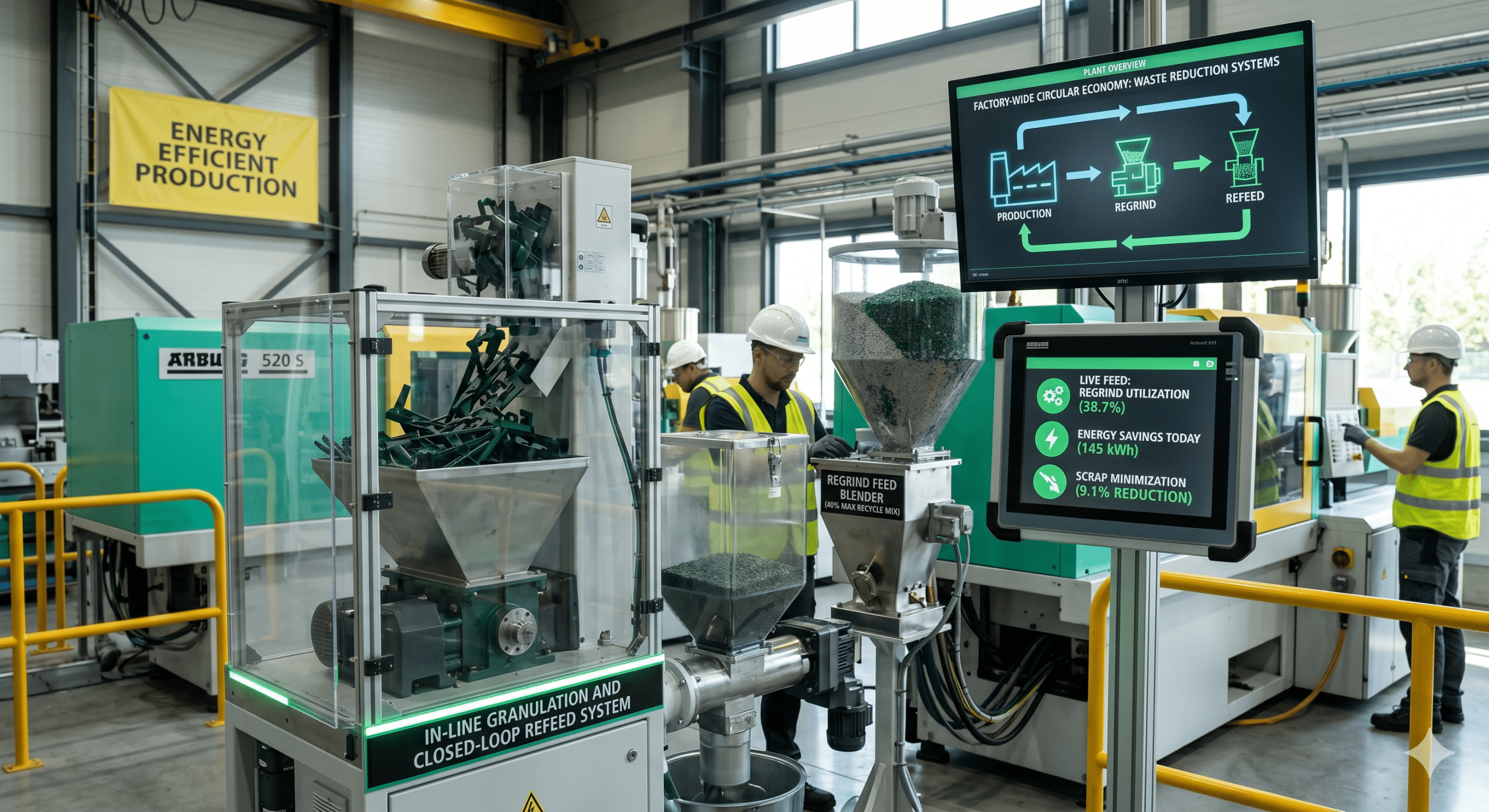
Industrial sustainability used to be treated like a side conversation inside manufacturing plants and production facilities. Years ago, most companies focused almost entirely on output, speed, and profit margins. Waste was simply considered part of the process. Scrap materials piled up, machines consumed massive amounts of energy, and disposal costs were accepted as unavoidable operating expenses.
Today, that mindset is rapidly changing.
From my experience observing industrial operations and process improvement strategies, one thing has become very clear: companies that ignore sustainability are usually wasting far more money than they realize. The biggest surprise for many business owners is that sustainability is no longer just about protecting the environment. It is now directly connected to operational efficiency, energy savings, employee productivity, and long-term business survival.
This is where Waste Reduction Systems have become one of the most important tools in modern industrial sustainability.
A well-designed waste reduction system does not simply reduce trash. It transforms the entire workflow of a business. It improves how materials are used, how machines consume energy, how inventory moves through production lines, and how organizations think about efficiency. In many industries, waste reduction is now closely tied to energy management because every wasted material usually represents wasted electricity, wasted fuel, wasted labor, and wasted time.
Factories, warehouses, food processing facilities, logistics centers, and manufacturing plants around the world are now discovering that reducing waste can dramatically improve profitability while also supporting environmental goals. Businesses that once struggled with rising energy costs are now finding smarter ways to optimize production and minimize unnecessary losses.
The relationship between industrial sustainability and energy efficiency is stronger than ever before.
Understanding Waste Reduction Systems in Industrial Operations
Waste Reduction Systems are organized methods used by businesses to minimize unnecessary material usage, lower energy consumption, reduce disposal costs, and improve production efficiency. These systems are designed to identify waste at every stage of operations and eliminate activities that do not create value.
In industrial engineering, waste is not limited to physical garbage. Waste can also include inefficient machine usage, excessive inventory, idle labor, overproduction, unnecessary transportation, poor maintenance practices, and energy losses during manufacturing processes.
A factory may produce thousands of products daily, but if machines are running inefficiently or raw materials are being overused, the company is losing money in ways that may not immediately appear in financial reports.
This is why industrial sustainability starts with measurement.
Most successful Waste Reduction Systems begin with detailed waste audits. These audits analyze where materials, energy, and resources are being lost during operations. Companies often discover surprising problems during these assessments. Some facilities find they are wasting energy through outdated lighting systems. Others realize they are overproducing inventory that eventually becomes obsolete. Some businesses identify excessive packaging practices that increase costs without improving customer satisfaction.
The goal is not simply to recycle more waste after it has already been created. The real objective is prevention.
According to the waste hierarchy model, reducing waste at the source is far more sustainable than dealing with waste after production.
This approach has become a major foundation of modern industrial sustainability strategies.
The Hidden Connection Between Waste and Energy Consumption
One of the biggest misconceptions in manufacturing is that waste management and energy management are separate systems. In reality, they are deeply connected.
Every wasted material represents wasted energy.
Think about a defective product that must be discarded. The company already used electricity to power machines, fuel to transport materials, labor hours to assemble the product, and raw materials to create it. When that product becomes waste, all the energy invested in making it is wasted too.
This is why companies focused on sustainability now look at production through a much wider lens.
Reducing waste often leads directly to lower energy consumption because efficient systems naturally consume fewer resources. Industrial engineers frequently analyze production lines to identify areas where machines are consuming unnecessary power or operating below optimal efficiency.
For example, many factories still operate aging equipment that draws large amounts of electricity even during idle periods. By upgrading to energy-efficient machinery and implementing smart monitoring systems, companies can reduce both energy costs and material waste simultaneously.
Research on sustainable industrial practices consistently highlights the importance of waste prevention, resource efficiency, and optimized production systems in reducing environmental impact.
The result is not only environmental improvement but also stronger financial performance.
Why Manufacturers Are Investing More in Waste Reduction Systems
Industrial sustainability is no longer driven solely by environmental regulations. Businesses are investing in Waste Reduction Systems because the financial benefits have become impossible to ignore.
Energy prices continue to fluctuate globally, raw material costs are rising, and customers increasingly prefer environmentally responsible brands. Companies that reduce waste are often able to remain more competitive because they operate more efficiently.
In many manufacturing environments, waste reduction creates immediate savings in several areas at once. Businesses lower disposal fees, reduce utility bills, minimize material losses, and improve productivity. Some organizations even discover new revenue streams by repurposing waste materials into reusable products.
This shift has become especially visible in industries like automotive manufacturing, food production, electronics, packaging, and construction materials.
Industrial facilities are also under growing pressure to meet sustainability targets and ESG goals. Investors, regulators, and consumers now pay closer attention to how companies manage waste, energy usage, and environmental impact.
Modern industrial sustainability is no longer viewed as a public relations strategy. It has become a core operational strategy.
Lean Manufacturing and Waste Reduction
One of the strongest influences on Waste Reduction Systems comes from lean manufacturing principles.
Lean manufacturing focuses on eliminating activities that do not add value to the customer. This includes reducing defects, unnecessary movement, waiting time, overproduction, and inefficient resource usage.
From an industrial engineering perspective, lean systems help companies create smoother production flows while reducing operational friction. When workflows become more efficient, energy usage often decreases naturally because machines spend less time running unnecessarily.
Many companies discover that production bottlenecks are major contributors to waste. Delays in one area of a production line can create excess inventory, idle machinery, and unnecessary energy consumption throughout the facility.
By redesigning workflows and improving process coordination, manufacturers can dramatically reduce operational waste.
The most effective Waste Reduction Systems are not isolated programs. They become part of the company culture. Employees at every level begin identifying opportunities to improve efficiency, conserve resources, and eliminate unnecessary losses.
This cultural shift often produces long-term improvements that continue for years.
The Role of Recycling and Circular Economy Practices
Although prevention is the top priority, recycling still plays a major role in industrial sustainability.
Many industries are now embracing circular economy models where waste materials are reused instead of discarded. Rather than treating waste as a problem, companies are beginning to view it as a potential resource.
Sustainable industrial waste management is increasingly built around the principles of reducing, reusing, and recycling materials.
For example, metal scraps from manufacturing can often be melted down and reused. Packaging materials may be redesigned for multiple uses. Water treatment systems can recycle industrial water for repeated processing cycles.
Some industries are even participating in industrial symbiosis, where the waste from one company becomes the raw material for another business.
This approach reduces landfill usage while conserving energy and natural resources.
Waste-to-energy systems are also gaining attention in some industrial sectors. These systems convert certain forms of waste into usable energy sources such as electricity or heat. While not perfect for every situation, waste-to-energy strategies can help reduce landfill dependency when carefully managed.
However, experts generally agree that reducing waste generation remains far more sustainable than relying entirely on disposal technologies.
Smart Technology Is Changing Industrial Sustainability
Technology is transforming the way companies manage waste and energy.
Modern factories increasingly use sensors, automation systems, artificial intelligence, and real-time monitoring tools to improve efficiency. Smart systems can track machine performance, identify abnormal energy usage, predict maintenance needs, and detect production inefficiencies before major problems occur.
This level of visibility helps businesses make faster and more informed decisions.
For example, predictive maintenance systems can identify failing equipment before breakdowns happen. This prevents production interruptions, reduces defective output, and minimizes energy waste caused by malfunctioning machinery.
AI-driven analytics are also helping companies optimize resource usage more accurately than traditional methods. Emerging research on Green AI and sustainable optimization shows that intelligent systems can significantly reduce energy consumption and improve resource recovery efficiency.
In industrial environments, even small efficiency improvements can create massive long-term savings because production systems operate continuously.
The future of Waste Reduction Systems will likely become even more data-driven as sustainability targets become stricter worldwide.
Employee Engagement Matters More Than Technology Alone
One of the most overlooked aspects of industrial sustainability is employee involvement.
Even the most advanced Waste Reduction Systems can fail if workers do not understand or support the process. Sustainability works best when employees actively participate in identifying waste and improving efficiency.
In many successful facilities, workers are encouraged to suggest process improvements because they interact with equipment and workflows every day. Employees often recognize inefficiencies long before management notices them.
Training also plays a major role.
Workers who understand how waste reduction improves safety, lowers operational costs, and supports environmental goals are usually more motivated to participate. Simple behavioral changes such as proper material handling, improved equipment shutdown procedures, and better inventory management can create measurable improvements across an organization.
Sustainable industrial operations depend heavily on education, operational awareness, and employee engagement.
Industrial sustainability is not only about machines and systems. It is also about people.
Energy Efficiency Is Becoming a Competitive Advantage
Many companies originally adopted Waste Reduction Systems to comply with regulations. Today, businesses increasingly view sustainability as a competitive advantage.
Customers are paying closer attention to how products are manufactured. Large corporations now evaluate suppliers based on environmental performance. Governments continue introducing stricter energy efficiency and waste management requirements.
As a result, companies with strong sustainability programs often gain advantages in reputation, customer trust, and long-term cost stability.
Energy-efficient facilities are particularly attractive because they are less vulnerable to rising utility costs. Manufacturers that reduce energy waste can maintain healthier profit margins during periods of economic uncertainty.
This is especially important in energy-intensive industries such as steel, cement, chemical processing, food manufacturing, and electronics production.
Sustainability has evolved from a compliance issue into a business strategy.
Common Challenges Companies Face When Implementing Waste Reduction Systems
Despite the benefits, implementing Waste Reduction Systems is not always easy.
One of the biggest challenges is resistance to change. Employees and managers may initially view sustainability initiatives as disruptive or expensive. Some companies hesitate to invest in upgraded equipment or monitoring systems because of upfront costs.
However, many organizations later discover that the long-term savings outweigh the initial investment.
Another challenge involves data collection. Some facilities lack accurate systems for tracking energy usage, waste generation, and operational efficiency. Without reliable data, it becomes difficult to identify the true sources of waste.
Older industrial facilities may also struggle with outdated infrastructure that limits efficiency improvements.
Still, companies that gradually adopt sustainability practices often see meaningful progress over time. Small operational changes can eventually lead to major improvements in energy usage and waste reduction.
The key is consistency.
The Future of Industrial Sustainability and Waste Reduction
Industrial sustainability will continue evolving as technology, environmental regulations, and consumer expectations change.
Future factories will likely become smarter, cleaner, and more connected. Automated monitoring systems will improve energy optimization, while circular economy models will reduce dependency on raw materials.
More companies are expected to invest in renewable energy systems, advanced recycling technologies, and sustainable production strategies.
Industrial engineers will play an increasingly important role in designing systems that balance productivity, efficiency, profitability, and environmental responsibility.
Waste Reduction Systems will remain at the center of this transformation because waste reduction touches nearly every aspect of industrial operations.
The businesses that adapt early will likely become more resilient, more efficient, and more competitive in the years ahead.
Conclusion
Industrial sustainability is no longer just an environmental conversation. It is now a practical business necessity.
Companies that implement effective Waste Reduction Systems are discovering that sustainability and profitability can work together. Reducing waste lowers operational costs, improves energy efficiency, strengthens production reliability, and creates a healthier long-term business model.
From an industrial engineering perspective, the goal is not perfection. The goal is continuous improvement.
Every unnecessary material loss, every inefficient machine cycle, and every avoidable energy expense represents an opportunity for improvement. Businesses that recognize this are transforming the way industrial operations function.
The future of manufacturing will belong to companies that understand how to produce more while wasting less.
Waste reduction is no longer just about protecting the planet. It is about building smarter industries, stronger businesses, and more sustainable operations for future generations.
Frequently Asked Questions
What are Waste Reduction Systems in industrial operations?
Waste Reduction Systems are strategies and processes designed to minimize material waste, reduce energy consumption, improve operational efficiency, and lower environmental impact in industrial facilities.
Why are Waste Reduction Systems important for sustainability?
These systems help companies conserve resources, reduce pollution, lower disposal costs, and improve energy efficiency. They also support long-term environmental and business sustainability goals.
How does waste reduction help save energy?
Every wasted product or material already consumed energy during production. By reducing defects, overproduction, and inefficiencies, businesses lower the amount of energy wasted during manufacturing processes.
What industries benefit most from Waste Reduction Systems?
Manufacturing, logistics, automotive, construction, food processing, electronics, chemical processing, and packaging industries all benefit significantly from waste reduction and sustainability programs.
What is the difference between recycling and waste reduction?
Waste reduction focuses on preventing waste before it is created, while recycling processes waste materials after they are generated. Prevention is generally considered more sustainable.
How does lean manufacturing support waste reduction?
Lean manufacturing eliminates activities that do not add value, such as overproduction, delays, and unnecessary movement. This improves efficiency while reducing material and energy waste.
Can small businesses implement Waste Reduction Systems?
Yes. Even small operational improvements such as reducing packaging waste, improving energy efficiency, and optimizing workflows can create measurable savings for smaller companies.
Further Reading and Reference Links
For readers who want to explore industrial sustainability and Waste Reduction Systems in greater depth, these resources provide valuable insights:
- EPA Waste Management Guide
- HSI Sustainable Industrial Practices
- Industrial Waste Management Strategies
- Industrial Waste Sustainability Guide
- Waste Hierarchy Overview
- Industrial Symbiosis Explained